 FateSeek
The Chinese almanac · the four pillars · the Book of Changes
Three thousand years of readingtime, people, and change.
This is the Chinese way of looking at a day and at a life. It has been written down, argued over and refined for three thousand years — and it has always been hard to get into. Now it can be read in your own language, with someone to ask.



What is today good for?
Time
Time has a character.
In China, time was never thought of as something that simply passes. A year turns through twenty-four solar terms; a day divides into twelve double-hours; every date carries a pair of characters of its own.
Farmers, astronomers and officials watched the sky for centuries and wrote down what they found: which days suit a wedding, a move, a contract — and which do not. That accumulated record is the almanac, and people have kept it, corrected it and printed it ever since.
What it looks like now
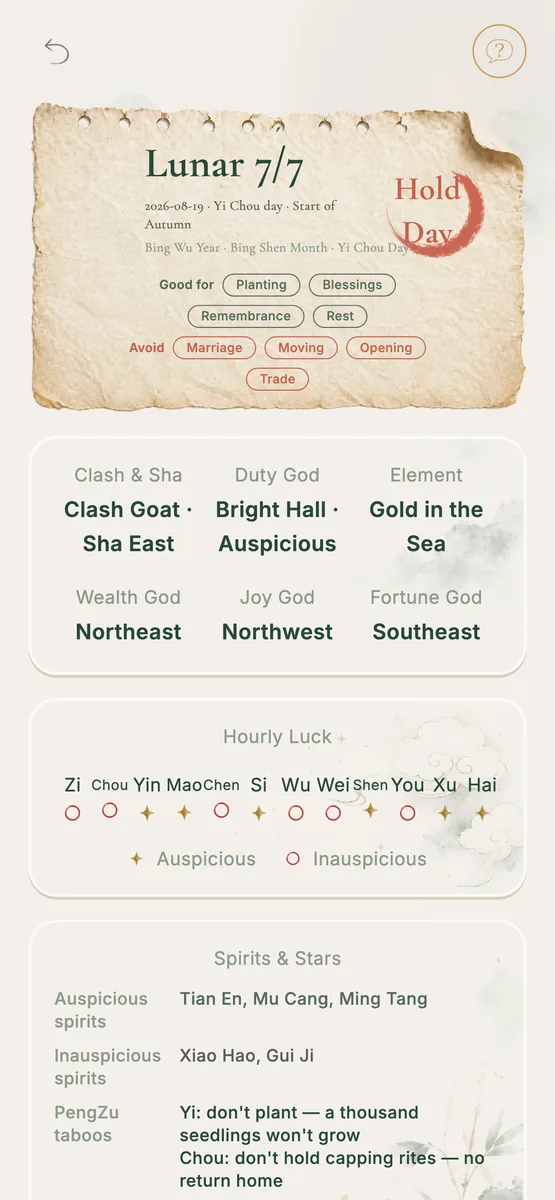
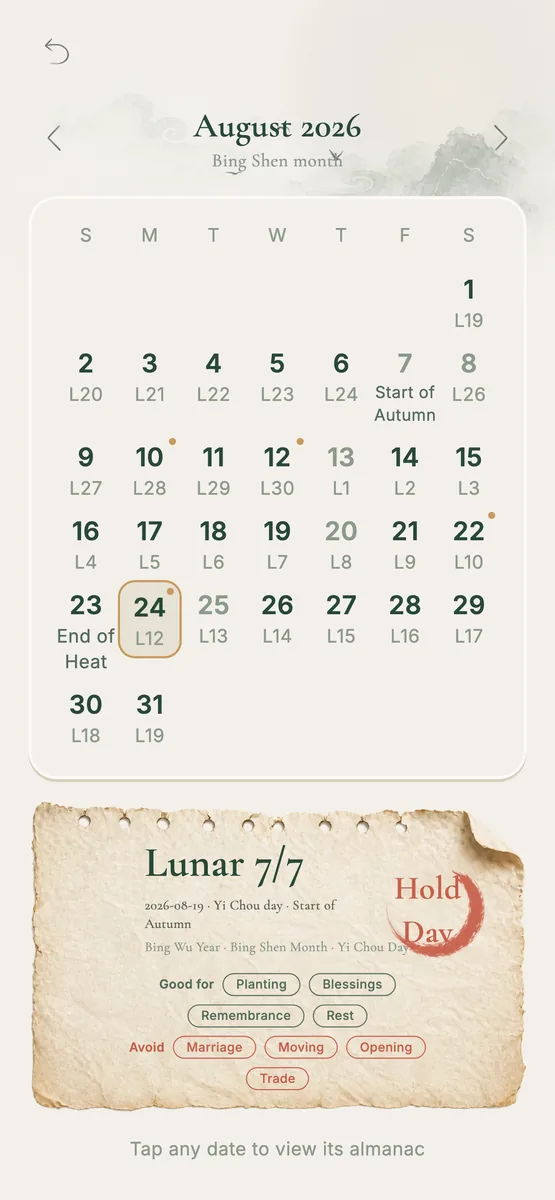
Open FateSeek to today's page of it: the lunar date and its stem-branch, what the day favours and what it avoids, the clash and its direction, and how each of the twelve double-hours reads. Turn the month to see the good days at a glance, or start from the thing you want to do — eighteen kinds of matters — and find the days that suit it.
People
A person has proportions.
Wood, fire, earth, metal, water. Five elements, and the ways they feed and check one another, were how the Chinese explained what things are made of — medicine, music, statecraft and character all borrowed the same five words.
Applied to a person, the reading starts from the moment of birth: the year, month, day and hour each become a pair of characters. Those four pairs — the four pillars — set out the proportions someone is working with, and the ten-year stretches that follow.
What it looks like now
Give FateSeek your birth date, time and place and it works the chart out the classical way: the four pillars, the balance of the five elements, the luck pillars ahead — and, if you want it, how your chart meets someone else's.
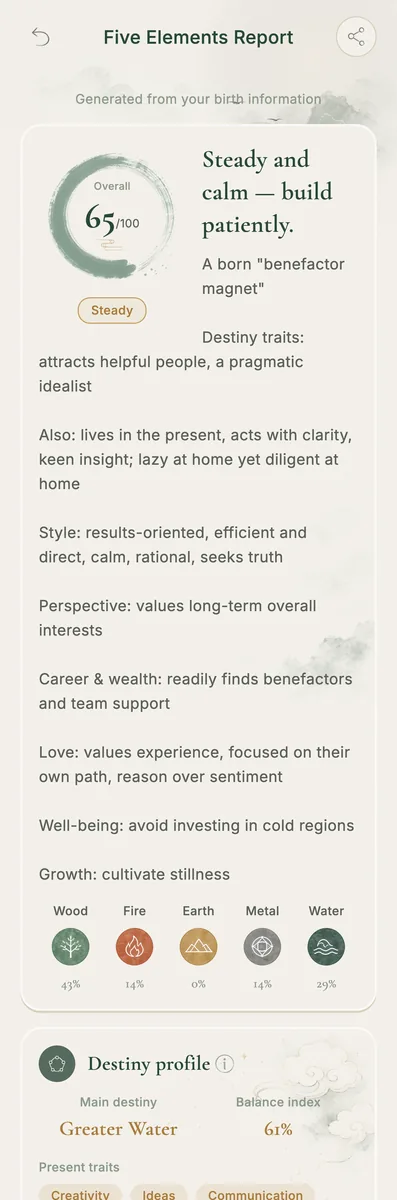
 Almanac
 Vermilion Brush
 Elements Ring
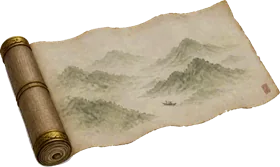 Year Scroll
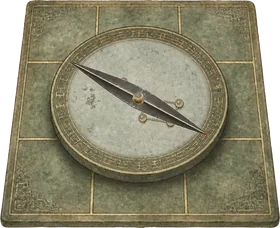 Shi Board
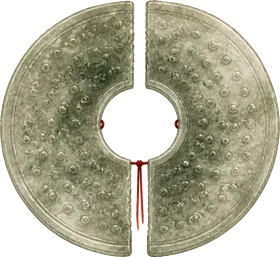 Paired Jade
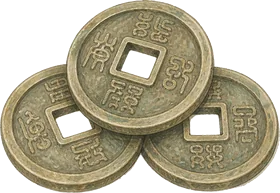 Three Coins
Change
Change has a grammar.
The Book of Changes is not a book of predictions. It is a book about change: sixty-four hexagrams, sixty-four situations, each with its own footing and its own counsel.
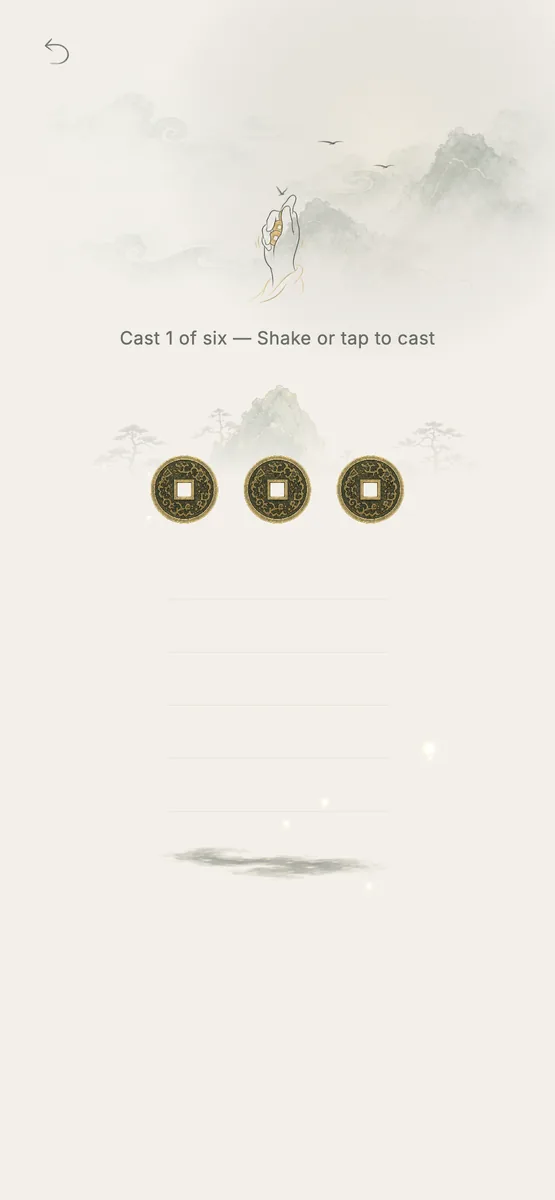
Scholars annotated it, statesmen consulted it, and for three thousand years people have read it less to learn an outcome than to see their present clearly. You cast a hexagram by tossing three coins, six times — the tossing is part of the reading.
What it looks like now
One hexagram a day, cast by your own hand. The judgement you get is the received text, and changing lines are read the way Zhu Xi set out. If it reads like a riddle — and it often does — ask, and it will be opened up line by line.
The AI companion
A thousand years of reading,brought to today's question.
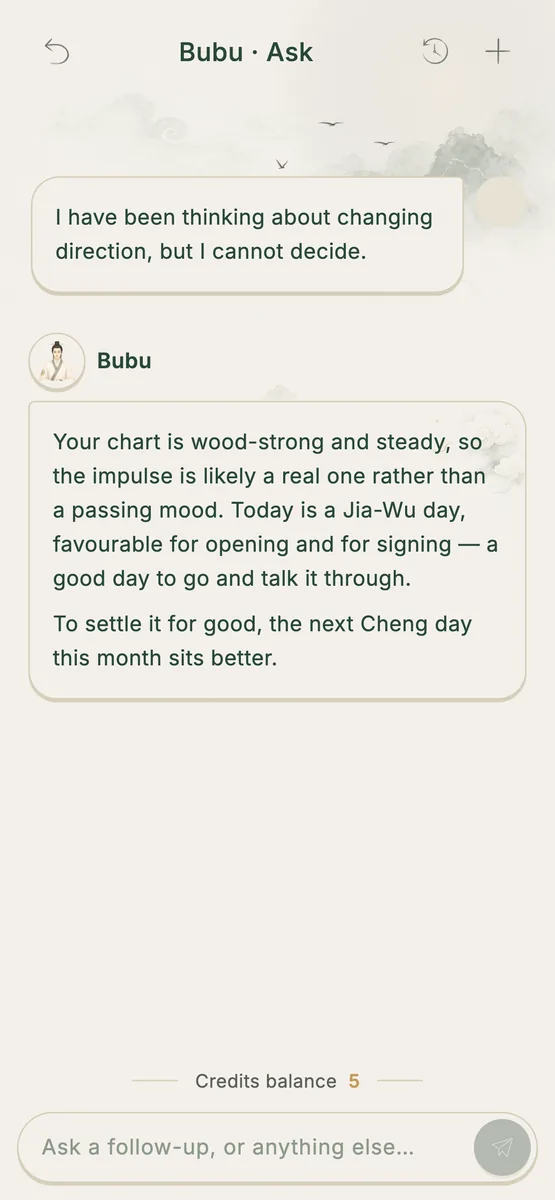
Before it answers, Bubu reads your own chart and today's page of the almanac. It does not translate the old text at you — it applies it to the thing you actually asked about: this month, this decision, this person.
It remembers what matters to you, so the second conversation doesn't start from scratch, and you can keep asking until the answer lands. Whatever it remembers is yours to review or delete, any time.
Replies are generated by an AI model.
We treat it as something worth getting right.
- Hand-drawn inkevery object on the desk was painted for this app.
- Our own calendar enginethe Chinese lunisolar calendar isn't a package you install, so we maintain ours.
- Checked word by wordall 64 hexagram statements and 386 line statements, against the classical edition.
- Every tool says where it comes fromits origin, what it is for, how it is worked out, and the source it rests on.